




Oakville Child Counselling Therapy | Child and Adolescent Psychology Services

Bipolar Disorder in Children, Oakville

We are passionate about helping children and adolescents navigate the complex emotions, challenges, and pressures they face during their formative years. 

We recognize that managing bipolar disorder in children requires a compassionate approach. Child counseling therapy focuses on creating a safe space for emotional expression and resilience-building. We utilize tailored strategies like cognitive behavioral therapy and play therapy to help kids navigate their feelings and behaviors effectively. By involving families, we strengthen communication and support systems, which is essential for healing. Our goal is to empower both children and their families with tools to cope with challenges. Together, we’ll explore how specialized techniques can provide relief and foster well-being in your child’s journey. There’s so much more to discover about effective support options.

Child Counselling Therapy for Bipolar Disorder in Oakville

About Child Counselling Therapy

Child counseling therapy is often an important resource for families steering through the complexities of mental health, providing a safe space for children to express their feelings and learn coping strategies. We recognize that addressing child mental health can feel overwhelming, but with the support of a skilled child therapist, we can navigate these challenges together.

Therapy for kids focuses not only on immediate issues but also on long-term emotional well-being. Through adolescent counseling, we can help children process their emotions related to childhood trauma and equip them with tools for managing mood disorders. This type of therapy offers emotional support for children, fostering resilience and self-understanding.

Psychoeducation is a vital component, as it helps families comprehend the underlying issues affecting their child’s behavior and emotions. We may also explore psychotherapy for bipolar disorder, ensuring that our approach is tailored to meet each child’s unique needs. By prioritizing therapy for childhood trauma and mood disorders, we’re laying a foundation for healthier coping mechanisms and emotional growth. Together, we can create a nurturing environment that promotes healing and understanding for our children.

Understanding Bipolar Disorder in Young Children

Understanding Bipolar Disorder in Young Children

Understanding bipolar disorder in young children can be challenging, but recognizing its signs and symptoms is essential for providing the right support and interventions. As caregivers, we need to be aware that bipolar disorder can manifest differently in kids compared to adults. Emotional dysregulation is often a key feature, where our children may experience intense mood swings that seem disproportionate to the situation.

In child counseling and child therapy, we focus on fostering mental health in kids by creating a safe space for them to express their feelings. Through child behavioral therapy, we help them develop coping strategies that can manage these emotional ups and downs. It’s also important to evaluate therapy for kids with anxiety, as anxiety can often coexist with bipolar disorder, complicating their emotional landscape.

Child and adolescent counseling provides a holistic approach to mental wellness, incorporating psychological therapy for children tailored to their unique needs. By engaging in these therapeutic avenues, we can support our children in maneuvering their challenges, helping them achieve better emotional regulation and a healthier overall well-being. Together, we can make a meaningful difference in their lives.

Recognizing the Signs and Symptoms of Bipolar Disorder in Kids

Recognizing the signs and symptoms of bipolar disorder in kids can be difficult, especially since their emotional expressions often vary widely from those of adults. We might notice significant mood swings, where our child oscillates between extreme highs—like boundless energy and euphoria—and deep lows, characterized by sadness or irritability. These bipolar disorder symptoms can manifest as anxiety in children, impacting their daily interactions and overall well-being.

It’s essential to pay attention to how our child’s emotional regulation fluctuates. If they’re experiencing prolonged periods of irritability or excessive elation, it might be time to reflect on a psychiatric evaluation. Child behavior disorders often overlap with bipolar symptoms, making it vital to differentiate between them.

Engaging in therapy for children can be a supportive step toward understanding and managing these challenges. Adolescent therapy can also offer insights as our children grow. By prioritizing child mental wellness and recognizing these signs early on, we can seek the necessary child counseling therapy that provides our kids with the tools they need to navigate their emotions effectively. Let’s work together to support our children through this journey.

How Child Therapy Helps Manage Bipolar Disorder

Therapy can play an essential role in helping kids manage the challenges of bipolar disorder, providing them with a safe space to express their feelings and learn coping strategies. Through child counseling therapy, we can help children understand their emotions, increasing their emotional well-being. This form of mental health therapy offers tailored child therapy techniques that empower kids to navigate their feelings effectively.

In our sessions, we focus on stress management for children, teaching them how to handle intense emotions that come with bipolar disorder. We employ child resilience therapy to build their capacity to bounce back from setbacks, fostering a sense of strength and self-worth. For those experiencing behavioral disorders in children, our approach includes child psychotherapy that addresses specific behaviors and thought patterns.

Moreover, therapy for troubled youth offers an inclusive environment where children feel heard and validated. By equipping them with tools to manage their symptoms, we support their journey toward emotional stability and resilience. Ultimately, our aim is to nurture healthy coping mechanisms, allowing children to thrive despite the challenges of bipolar disorder. Together, we can create a brighter future for their mental health.

Utilizing Cognitive Behavioral Therapy (CBT) for Bipolar Disorder

Building on the foundation of emotional support provided in child counseling, we can effectively utilize Cognitive Behavioral Therapy (CBT) to help children with bipolar disorder manage their symptoms and develop healthier thought patterns. CBT is a structured, goal-oriented approach that enables us to guide children through their feelings and thoughts related to their mood disorders.

In our child therapy sessions, we focus on identifying negative thought patterns and replacing them with positive ones, fostering emotional wellness. This empowers children to recognize triggers, allowing them to develop effective coping strategies for both manic and depressive episodes. For therapy for teens, we adapt our methods to guarantee they resonate with their experiences, making them more relatable and impactful.

Moreover, CBT can also assist in addressing child anxiety treatment, as anxiety often coexists with bipolar disorder. By integrating these techniques, we not only support the mental health of our young clients but also equip them with lifelong skills. Ultimately, our goal is to create a safe space where children can explore their emotions, build resilience, and learn to navigate life’s challenges with confidence.

The Benefits of Play Therapy for Kids with Bipolar Disorder

Play therapy offers a unique and engaging way for kids with bipolar disorder to express their feelings and navigate their emotional landscape in a safe and supportive environment. When we engage in child counseling therapy, play therapy becomes a powerful tool for promoting emotional development. It allows children to explore their emotions and experiences through play, making it easier for them to articulate feelings they might not understand yet.

This form of therapy is especially beneficial for kids dealing with childhood anxiety and other emotional challenges. We can utilize therapeutic interventions for children that foster child behavior modification while also being sensitive to their individual needs. Child-focused therapy guarantees that we adapt our approach to each child, making it an ideal fit for therapy for special needs children.

As we participate in various child therapy programs, we see the transformative impact of play therapy in helping our little ones build coping skills and resilience. Child psychiatry often recommends this approach because of its effectiveness in creating a supportive atmosphere where children can thrive emotionally and socially. Ultimately, play therapy not only aids in managing bipolar disorder but also enriches their overall emotional development.

Family Therapy as Support for Bipolar Disorder Management

In addition to play therapy, family therapy plays an important role in managing bipolar disorder by fostering understanding and communication among family members, which can greatly enhance the child’s emotional well-being. Through family therapy, we can create a safe space where everyone feels heard and supported. This is fundamental for children dealing with bipolar disorder, as it helps us address any misconceptions and provides mental health support tailored to our child’s needs.

Family therapy often incorporates elements of behavioral therapy for kids, allowing us to work together on coping strategies and effective communication techniques. It’s also crucial for families to understand the importance of early intervention therapy, as this can lead to better outcomes for our children.

For families dealing with crisis intervention for children, family therapy equips us with tools to manage challenging situations more effectively. Additionally, it can complement therapy for ADHD in children, as many children face overlapping challenges. By embracing a child-centered therapy approach, we can guarantee that our child feels supported while fostering unity and resilience within the family. Together, we can navigate the complexities of bipolar disorder and promote a healthier, happier environment for our loved ones.

Managing Mood Swings and Emotional Instability in Children

Managing mood swings and emotional instability in children with bipolar disorder requires a compassionate approach that combines understanding, effective strategies, and consistent support from both caregivers and professionals. It is understood that child counseling therapy plays an essential role in helping these children navigate their feelings. Engaging in therapy for school-aged children allows them to express their emotions safely and learn coping mechanisms.

In addition to psychotherapy, incorporating mood stabilizers may be beneficial in regulating their emotional state. It’s important to tailor treatment plans that fit each child’s unique needs. Child depression therapy can address underlying issues that often exacerbate mood swings, while child social skills therapy helps improve their interactions with peers, fostering a supportive environment.

We also need to emphasize stress management techniques, as they empower children to handle challenges more effectively. Through emotional healing for children, we can create a nurturing space where they feel understood. By working together, we can provide thorough bipolar disorder treatment that promotes stability and resilience, ultimately leading to a more balanced and fulfilling life for our children.

Building Emotional Resilience through Therapeutic Interventions

As we explore therapeutic interventions, we can focus on building emotional resilience in children with bipolar disorder, helping them develop the skills needed to navigate life’s ups and downs more effectively. Child counseling therapy plays a vital role in this process, offering tailored approaches that respect each child’s unique journey.

Through play-based therapy, we can engage children in ways that resonate with their developmental stage, allowing them to express feelings related to mood episodes in a safe environment. This form of psychological treatment not only fosters emotional resilience but also enhances their understanding of their own emotions.

Additionally, medication management is often part of a thorough strategy, ensuring that the biological aspects of bipolar disorder are addressed alongside therapeutic work. By integrating these elements, we support adolescent mental health and promote overall child development.

For those who’ve experienced trauma, specialized therapy for child abuse can also be essential, helping to build a foundation of trust and safety. Together, these interventions empower our children, equipping them with the tools necessary to face challenges and thrive in their lives despite the complexities of bipolar disorder.

Parenting Guidance and Support for Children with Bipolar Disorder

Parenting Guidance and Support for Children with Bipolar Disorder

Supporting children with bipolar disorder requires a compassionate approach that fosters understanding and effective communication between parents and their children. We understand that maneuvering through childhood emotional issues can be challenging, and having parenting support is essential. Engaging in child counseling therapy can help us comprehend our child’s unique needs and develop a tailored treatment plan.

By participating in supportive therapy for children, we gain valuable insights into managing their mental illness. Family support therapy emphasizes the importance of our roles as caregivers, guiding us in how to create a stable environment. We must also prioritize bipolar awareness within our families, ensuring that everyone understands the condition’s complexities.

Child and family counseling can strengthen our bonds, allowing us to express feelings and concerns openly. We should aim to maintain open lines of communication, where our children feel safe to share their highs and lows. By working together, we can foster resilience and coping strategies that empower our children.

Ultimately, it’s about creating a nurturing atmosphere that helps our children thrive, despite the challenges of bipolar disorder. We’re not alone in this journey; there are resources and professionals ready to support us every step of the way.

Combining Medication Management with Therapy for Bipolar Disorder

Combining medication with therapy can create a balanced approach that helps our children manage the complexities of bipolar disorder more effectively. We realize that medication management, when paired with child counseling therapy, provides a thorough strategy for our kids. Pediatric counseling plays an essential role in addressing not just the symptoms of bipolar disorder but any comorbidity, such as anxiety or ADHD, that might complicate their care.

Incorporating cognitive therapy for kids into this mix encourages our children to develop coping skills and emotional regulation strategies. Trauma-informed therapy can further enhance their healing by ensuring that we comprehend and address any past traumas affecting their mental health.

Additionally, participating in support groups can help both our children and us, as caregivers, feel less isolated. These groups foster shared experiences and insights that can be invaluable on our journey.

Supporting Academic Success with School Counseling for Bipolar Disorder

Maneuvering school can be particularly challenging for children with bipolar disorder, but school counseling offers essential support to help them thrive academically and emotionally. By integrating child counseling therapy within the school environment, we can create a tailored approach that addresses their unique needs. School counselors work closely with students, providing a safe space to express their feelings and manage anxiety and depression.

Through targeted child therapy activities, counselors can help students develop coping strategies, which directly contribute to their academic success. Group therapy for kids fosters a sense of community, allowing children to share experiences and learn from one another. Additionally, parent-child therapy strengthens family dynamics, equipping parents with tools to support their child’s emotional well-being.

Trauma therapy for children can also be integral, especially for those who’ve faced adverse experiences related to their bipolar disorder. By embracing a holistic approach, we guarantee that these children receive thorough support that not only enhances their academic performance but also nurtures their emotional growth. Together, with school counseling, we can empower children with bipolar disorder to navigate their educational journey with resilience and confidence.

Teaching Stress Management and Coping Skills for Children

Teaching stress management and coping skills to children, especially those with bipolar disorder, is crucial for helping them navigate the emotional ups and downs they may face. In our child counseling therapy sessions, we focus on equipping kids with practical tools to manage their feelings. Counseling for kids often involves engaging activities that promote mindfulness for kids, allowing them to ground themselves during overwhelming moments.

We also emphasize the importance of early childhood therapy, where children learn to identify their emotions and express them constructively. Parent-child therapy creates a supportive environment where families can practice these skills together, reinforcing healthy communication.

Art therapy for kids is another effective approach, enabling children to express their feelings creatively while developing coping strategies. By exploring various modalities, we can tailor our sessions to meet each child’s unique needs.

As we teach these crucial stress management techniques and coping skills, we empower children to face challenges with resilience. When we work together, we can foster a sense of stability and hope, paving the way for brighter futures for children with bipolar disorder.

Grief Counseling for Kids Coping with Bipolar Disorder

As we equip children with stress management skills, we also recognize the importance of addressing grief, particularly for those coping with bipolar disorder, as they may experience unique losses and challenges related to their emotional experiences. Through our child counseling services, we provide grief counseling for kids that focuses on guiding feelings of loss tied to their condition.

Children with bipolar disorder often face fluctuating energy levels, experiencing both manic and depressive episodes, which can lead to feelings of isolation and sadness. It’s essential for them to express these emotions in a safe environment. Parent-child therapy can be an important resource, helping families understand the emotional complexities related to their child’s experiences.

Reach Out to Our Child Counseling Therapy Center for Bipolar Disorder Support in Oakville

If you’re seeking compassionate and specialized support for your child managing bipolar disorder, our Child Counseling Therapy Center in Oakville is here to help. We recognize that maneuvering through the complexities of a bipolar disorder diagnosis can be overwhelming for both you and your child. Our skilled therapists utilize child counseling therapy techniques that align with the DSM-5 criteria, ensuring a thorough approach tailored to your needs.

In our center, we focus on addressing common symptoms such as sleep disturbances, irritability, euphoria, and impulsivity. We believe that effective support includes not just the child but also the family unit. That’s why we offer parent-child therapy sessions, where we help strengthen the bond between you and your child while equipping you with tools to manage the challenges that come with bipolar disorder.

Together, we can foster resilience and understanding, helping your child navigate their emotions and experiences in a safe environment. We invite you to reach out to us for a consultation, so we can work together to support your child’s journey toward stability and well-being in Oakville. Your child deserves the best care, and we’re here to provide it.

Frequently Asked Questions

What Age Is Appropriate for a Child to Start Counseling?

When it comes to starting counseling, there’s no one-size-fits-all answer. We believe that children can benefit from counseling at various ages, especially when they’re experiencing emotional or behavioral challenges. Early intervention can help them develop coping strategies and emotional resilience. It’s important for us to assess each child’s unique situation and needs, as some may benefit from support as early as preschool, while others might start later in their developmental journey.

How Long Does Therapy for Bipolar Disorder Usually Last?

When we think about therapy duration for bipolar disorder, it often varies by individual needs. Typically, we find that therapy can last anywhere from a few months to several years. It’s essential to remember that everyone’s journey is unique, and some may require ongoing support while others might achieve their goals more quickly. We’re here to support each other through this process, ensuring that we all feel heard and understood along the way.

Are There Specific Qualifications to Look for in a Child Counselor?

When we’re seeking a child counselor, it’s vital to look for specific qualifications. Ideally, they should have a degree in psychology or counseling and specialized training in child therapy. Experience with children’s mental health issues is significant. We should also consider their approach—does it align with our values? Finally, it’s important they’re licensed and certified, ensuring they’ve met the necessary standards to provide the best support for our child.

Can Parents Attend Therapy Sessions With Their Child?

Yes, parents can often attend therapy sessions with their child, and it can be beneficial for everyone involved. Having us present can foster a supportive environment and help us understand our child’s needs better. It also allows us to learn strategies to support them outside of therapy. However, it’s important to communicate with the therapist beforehand to guarantee it’s suitable for our child’s progress and comfort. Together, we can create a positive experience.

What Are the Costs Associated With Child Counseling Therapy in Oakville?

When considering the costs associated with child counseling therapy, we need to account for various factors, including session frequency, therapist qualifications, and the specific needs of our child. Generally, therapy sessions can range from $100 to $200 per hour. Some insurance plans may cover part of the costs, which can be helpful. It’s essential for us to explore different options and find a solution that fits our budget while ensuring our child’s well-being.

Our Counselling Services

Mississauga Child Counselling Therapy for

Anxiety

We recognize that anxiety can show up in many ways, from physical symptoms to behavioral changes. Through tailored techniques like cognitive-behavioral therapy and mindfulness, our children can confront their fears in a supportive environment. Family involvement is key, fostering communication within our homes. It’s important to get the right guidance, and together, we can make a meaningful difference.

Understanding Depression in Children

Trauma

we understand the profound impact trauma can have on children. Our therapy sessions provide a safe and supportive space for healing. Using trauma-informed practices, we help children express their emotions and build resilience. Techniques such as play-based therapy and art interventions are key in encouraging emotional expression and helping kids process their experiences.

Child Counselling Therapy for Grief and Loss in Oakville

Grief

We recognize that grief can be especially tough for children, and Child Counseling Therapy serves as an essential support system. This therapy creates a safe space for kids to express their feelings and navigate the complex emotions of loss. Using techniques like play therapy and art therapy, we help them articulate their grief and foster resilience. Family involvement is significant, so we often engage parents to enhance communication and understanding.

Child Counselling Therapy for Abuse in Oakville

Abuse

We recognize that seeking Child Counselling Therapy for abuse in Mississauga is an essential step towards healing. It’s imperative to create a safe space where all family members can express their feelings and work through trauma together. By using approaches like Cognitive Behavioral Therapy and Play Therapy, we can help rebuild trust and resilience within families. Engaging in family therapy not only strengthens communication but also fosters shared understanding and growth.
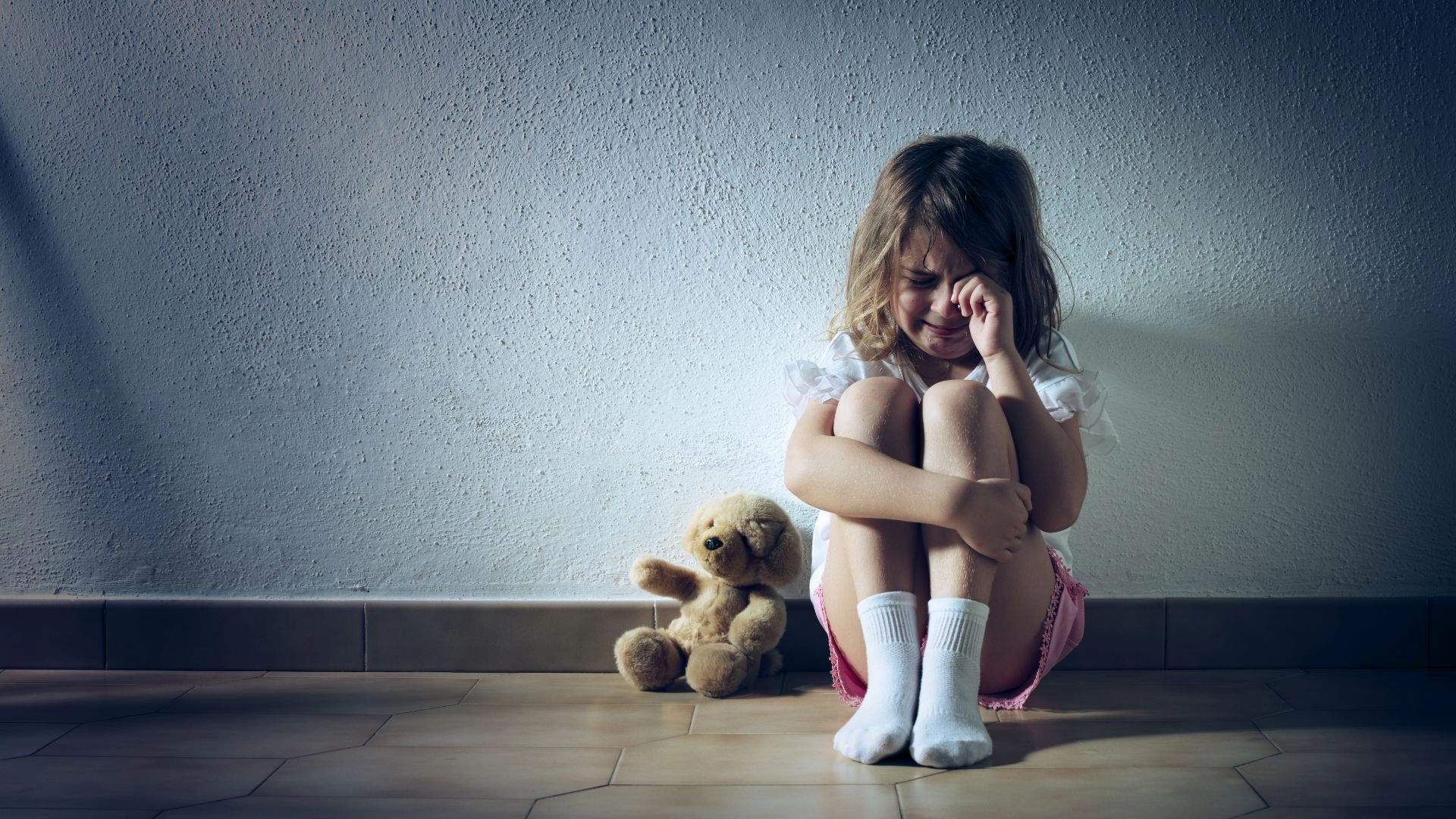
Identifying and Understanding Child Abuse

Depression

We recognize that Child Counseling Therapy for depression is vital for helping kids navigate complex emotions. In this supportive environment, we focus on personalized strategies such as Cognitive Behavioral Therapy and Play Therapy to encourage expression and resilience. These methods empower children to manage their feelings while fostering coping skills. Involving families is essential, as it enhances communication and understanding.

Exploring Eating Disorders Within the Family Setting

Eating Disorder

We understand how challenging it can be when a child is struggling with an eating disorder. Child Counseling Therapy offers vital support, combining approaches like Cognitive Behavioral Therapy (CBT) and trauma-informed care. These methods help children navigate their emotions, challenge negative thoughts, and build healthier relationships with food. Family involvement is also key, fostering open communication and trust.

Child Counseling Therapy for Life Coaching in Oakville

Life Coaching

We recognize that Child Counseling Therapy is essential for nurturing emotional well-being, paving the way for effective life coaching. By integrating approaches like play therapy and cognitive behavioral therapy, we help children explore their feelings and develop coping strategies. This holistic support fosters resilience and emotional intelligence, while life coaching encourages goal-setting and personal growth.

Registered Child Counselling Therapist for Anger Management in Oakville - Child Counselling Therapy Centre

Anger Management

When it comes to Child Counseling Therapy for anger management, we’re here to provide compassionate support. We recognize that anger is a natural emotion in children, but when left unaddressed, it can lead to significant challenges. Our therapy creates a safe space where kids can explore their feelings, learn impulse control, and develop healthy coping strategies. Techniques like cognitive behavioral therapy and play therapy help children articulate their emotions positively.

Child Counseling Therapy for Stress in Oakville

Stress

We recognize that stress in children can feel overwhelming, and handling it needs the right support. Child Counseling Therapy provides a safe space where kids can express their feelings and learn effective coping strategies. Approaches like cognitive behavioral therapy and play therapy help them manage stress and build resilience. By working through their emotions in a supportive environment, children gain valuable tools that empower them.
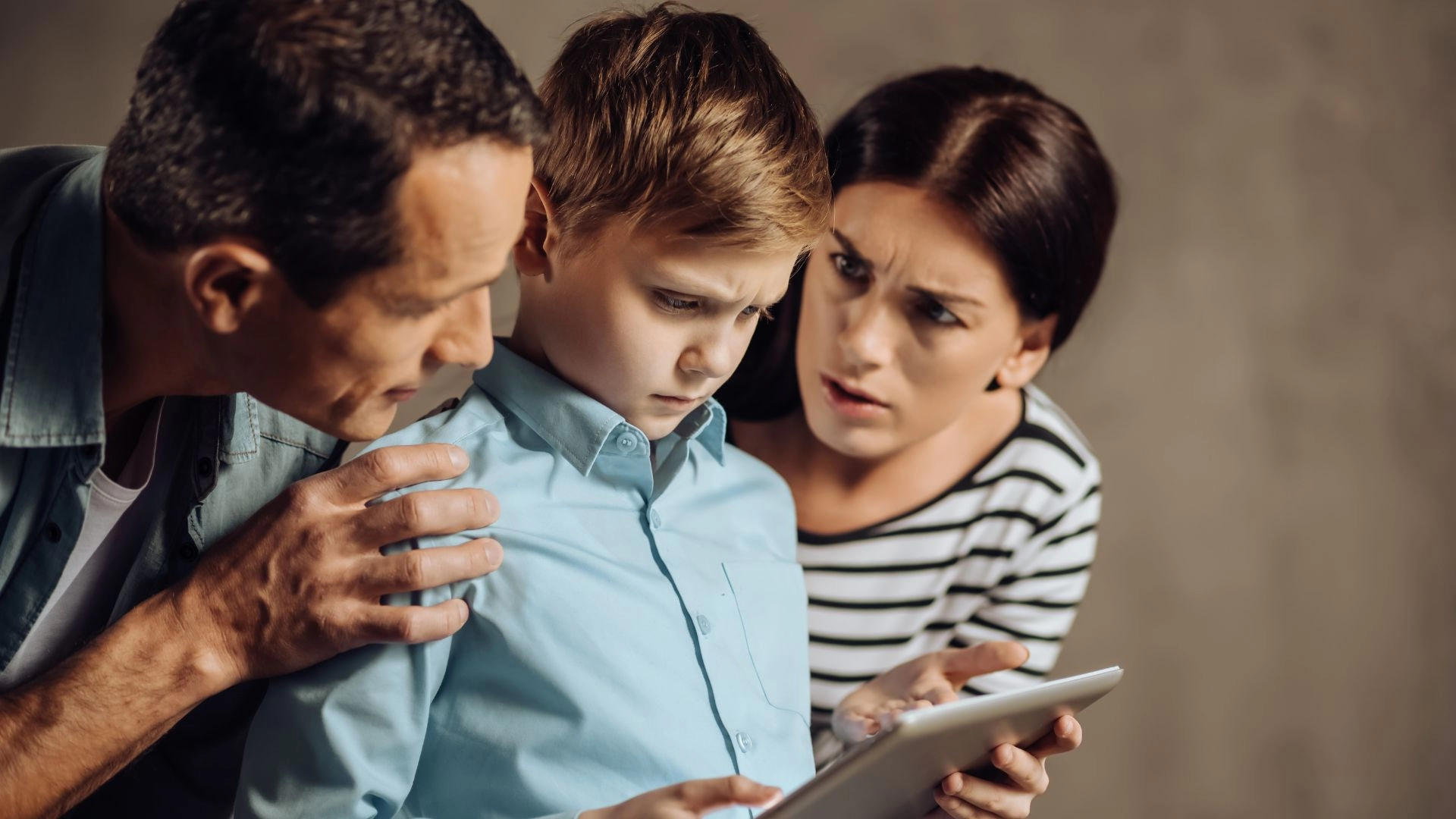
Child Counseling Therapy for Addiction in Oakville

Addiction

We recognize that Child Counseling Therapy for addiction is vital for helping young individuals navigate their challenges. This compassionate approach addresses not only substance use but also the emotional and behavioral issues that often accompany it. Through techniques like cognitive behavioral therapy and play therapy, we create a safe space where children can express themselves freely and work towards recovery.
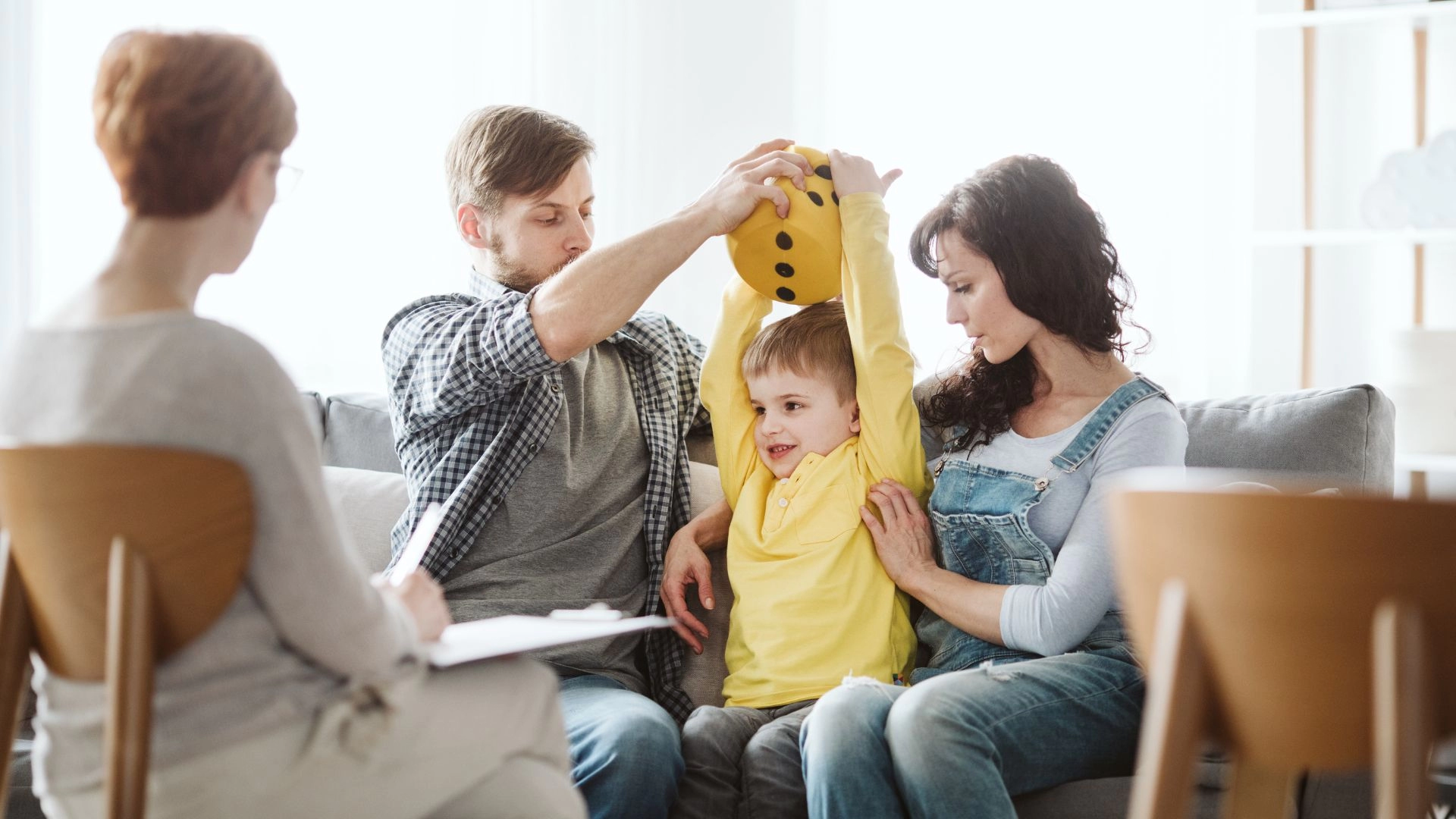
Child Counseling Therapy for ADHD in Oakville

ADHD

We focus on tailoring strategies to meet each child’s unique needs. By using techniques like cognitive-behavioral therapy, play therapy, and mindfulness, we empower kids to gain self-awareness and manage their symptoms effectively. Our approach also encourages parent participation, helping families create a nurturing environment at home.
Child Counseling Therapy for Sensory Processing Disorder in Oakville

Sensory Processing Disorder

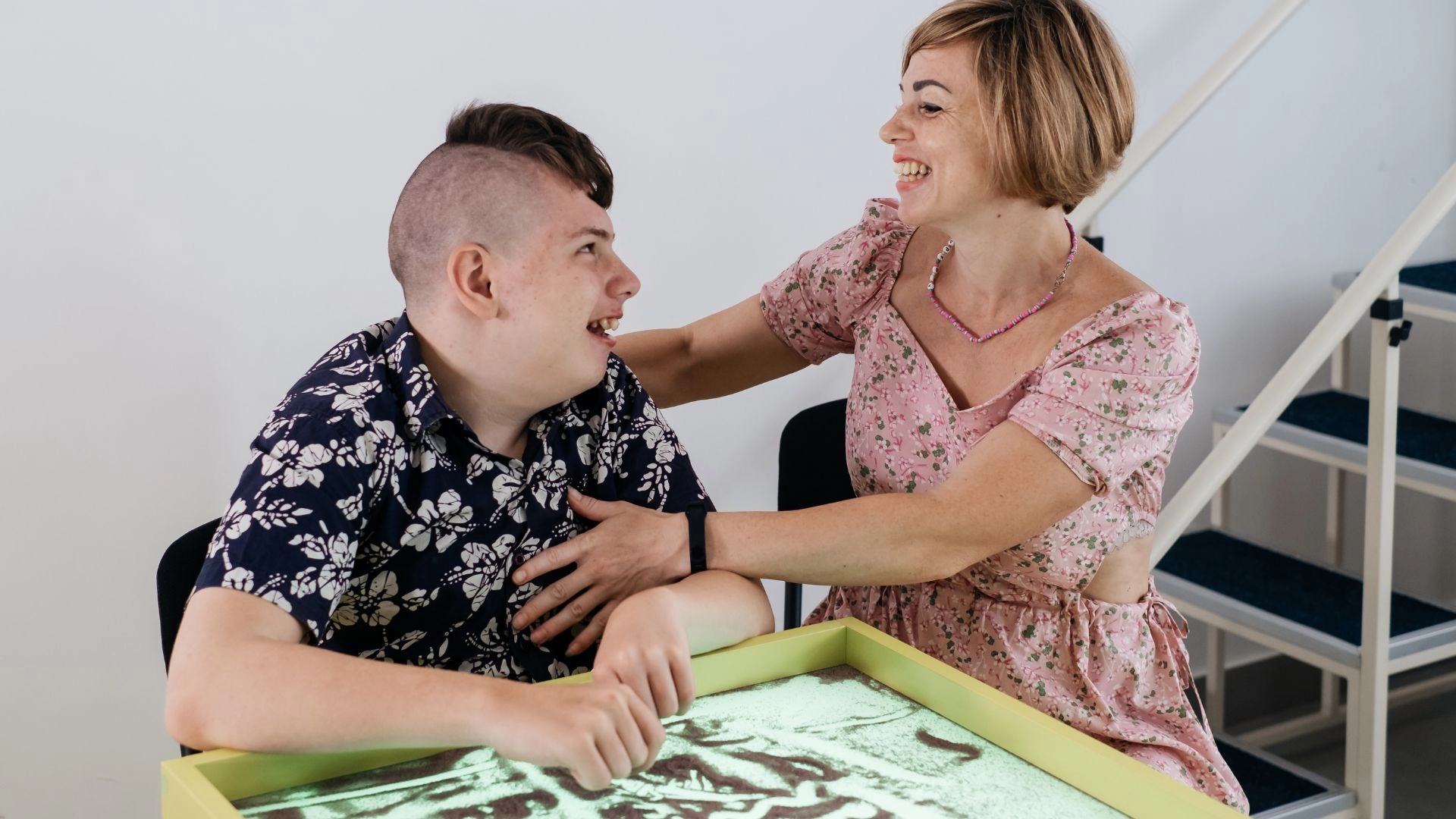
It is understood that Child Counseling Therapy for sensory processing disorder (SPD) can be lifesaving for children struggling with sensory challenges. Through compassionate approaches like cognitive behavioral therapy and play therapy, we help kids build their emotional regulation and find ways to cope with overwhelming situations. Family therapy also plays an essential role in fostering understanding and support within the home.

Child Counseling Therapy for Sexualized Behavior in Oakville

Sexualized Behavior

It is understood that addressing sexualized behavior in children can be challenging and distressing for families. Child Counseling Therapy offers a safe, supportive environment where we can explore emotional experiences, trauma, and behaviors together. Through various approaches like play therapy, family therapy, and trauma-informed care, we focus on empowering children while fostering healthy understanding of boundaries and relationships.

Child Counseling Therapy for ASD in Oakville

ASD

Child Counseling Therapy for Autism Spectrum Disorder (ASD) plays an essential role in supporting our children as they navigate their unique challenges. We’ve found that tailored approaches like play therapy and cognitive behavioral therapy can greatly enhance emotional regulation and peer interactions. These therapies empower our kids to express themselves and build fundamental social skills.

Child Counseling Therapy for OCD in Oakville

OCD

We recognize that Child Counseling Therapy for OCD is essential for helping children cope with challenging thoughts and behaviors. Through strategies like cognitive behavioral therapy and exposure response prevention, we create a supportive environment where kids can explore their feelings and learn effective coping skills. This therapy empowers them to face their fears and regain control over their lives.
Child Counseling Therapy for Impulse Control Disorder in Oakville

Impulse Control Disorder

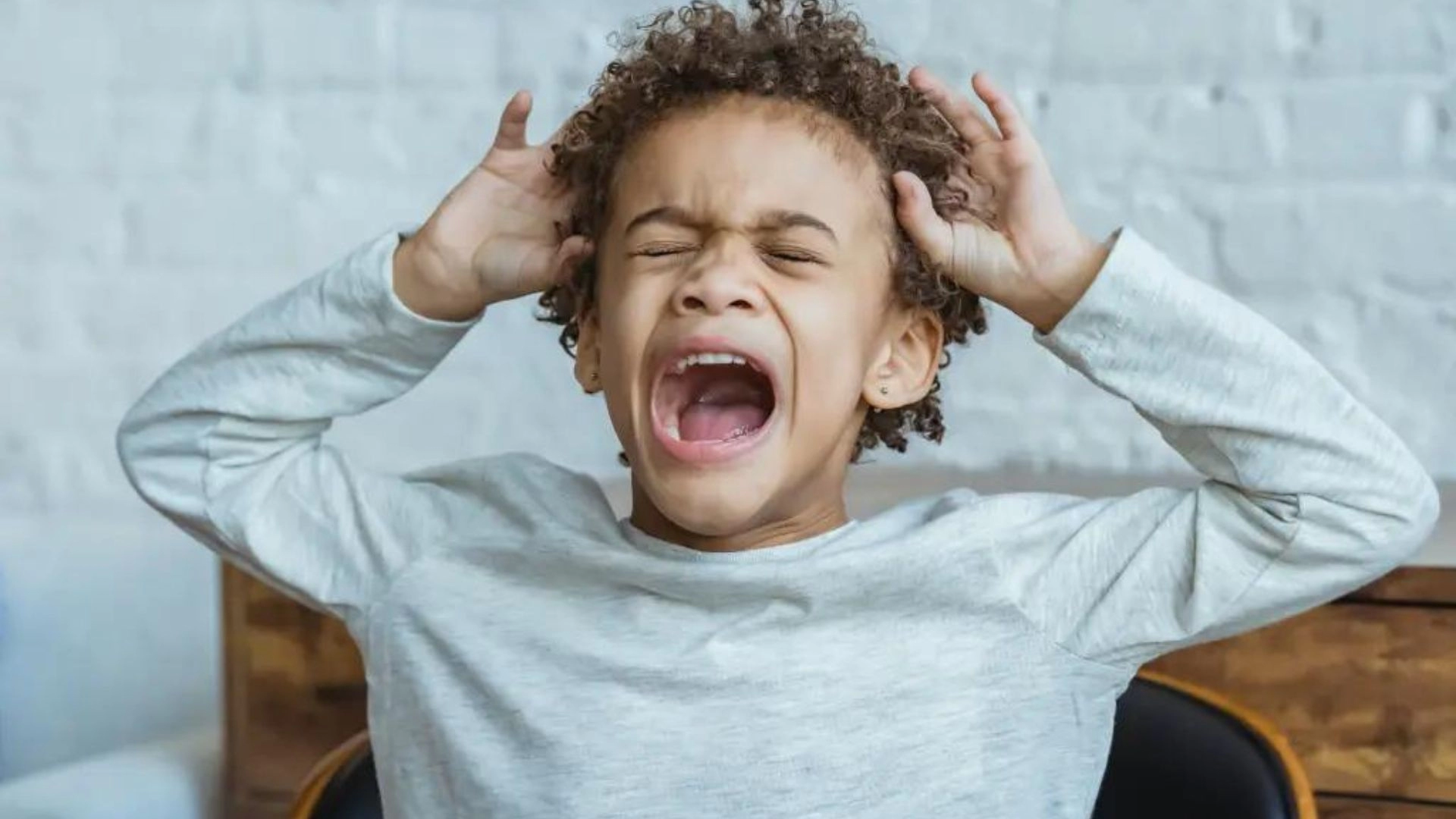
We create a safe space to help kids manage their impulses and develop crucial coping strategies. Through evidence-based approaches like Cognitive Behavioral Therapy (CBT) and engaging methods such as play therapy, we guide children in recognizing their feelings and triggers. Our compassionate therapists work alongside families, fostering open communication and understanding to reinforce positive behaviors.

About Town of Oakville

As we support families traversing thought disorders, it’s important to also appreciate the vibrant community of Oakville, where resources and connections abound for both children and parents. Located in Oakville, Ontario, our center at 123 ABC Road is a welcoming space for those seeking parent-child therapy. Here, we recognize the complexities of thought disorders, which can manifest through grandiosity, bizarre behavior, and even somatic delusions.

In Oakville, we’re fortunate to have a network of supportive services tailored to assist children grappling with persecutory beliefs and altered perception. Our community fosters a compassionate environment where families can connect, share experiences, and find solace in knowing they’re not alone.

Dissociation can often complicate a child’s emotional landscape, but in Oakville, we work together to create safe spaces for healing. By collaborating with local schools, recreation centers, and mental health professionals, we’re dedicated to providing thorough support that addresses these challenges.

Ultimately, our mission is to empower families in Oakville, ensuring that every child receives the recognition and care they need to thrive despite their struggles with thought disorders. Together, we can facilitate healing and growth for our children and their families.

About Town of Oakville
Major Street Intersections
  • Dundas Street (Highway 5)
  • Trafalgar Road
  • Lakeshore Road
  • Speers Road
  • Third Line
  • Upper Middle Road
  • Bronte Road
  • Royal Windsor Drive
  • Winston Churchill Boulevard
  • Ford Drive
  • Dorval Drive
  • Rebecca Street
  • Great Lakes Boulevard
  • 16 Mile Drive

  • QEW (Queen Elizabeth Way)
  • North Service Road
  • South Service Road
  • Maple Grove Drive
  • Burnhamthorpe Road
  • Glenashton Drive

Neighbourhood
  • West Oakville
  • Falgarwood
  • Kerr Village
  • Clearview

  • West Oak Trails
  • Bronte
  • Palermo
  • Ennisclare Park

  • Glen Abbey
  • Uptown Core

Postal Codes
  • Oakville East                     L6K
  • Oakville South                  L6L
  • Oakville North                  L6H
  • Oakville West                    L6M

  • Oakville Northeast            L6J