Mississauga Child Counselling Therapy | Child and Adolescent Psychology Services

\We support children experiencing psychosis with compassionate, individualized therapy that promotes emotional expression and resilience. Through early support and family involvement, we help children and families navigate challenges in a safe, supportive environment.

We recognize that Child Counseling Therapy for psychosis in Mississauga is an essential resource for families maneuvering through these challenging times. Our approach combines various therapeutic techniques tailored to each child’s unique needs. With a focus on emotional support, we help kids express their feelings and develop resilience. Early intervention is key in managing symptoms, and we’re here to guide families through the process together. By fostering a safe environment, we empower children and their families to address struggles effectively. For more insights into our specialized services and techniques, keep exploring what we offer to support your child’s journey.

Child counseling therapy offers a safe space for kids to express their feelings and challenges, helping them navigate the complexities of their emotions and experiences. We recognize that children face unique struggles, and our child mental health services aim to provide emotional support for children in need. Through various child therapy techniques, we equip them with the tools to manage their feelings and behaviors effectively.
In therapy for childhood trauma, we create a nurturing environment where children can explore their experiences without fear of judgment. This supportive therapy for children often includes cognitive-behavioral therapy, which is particularly effective for therapy for kids with anxiety, helping them develop coping strategies to face their fears.
Moreover, we focus on emotional regulation in children, teaching them how to recognize and manage their emotions. For those grappling with child behavior disorders, our tailored approaches guarantee that each child’s unique needs are met. By fostering resilience and self-awareness, we empower children to overcome their challenges, transforming their emotional struggles into opportunities for growth. Together, we can help them build a brighter, more hopeful future.

Recognizing the signs of psychosis in young individuals can be challenging, but understanding the key indicators is vital for providing the timely support they need. We often see that children experiencing a psychotic disorder may exhibit symptoms such as delusions or hallucinations. These can manifest as believing in things that aren’t true or hearing voices that others cannot hear.
It’s important to note that emotional dysregulation can accompany these symptoms, leading to significant behavioral disorders in children, which can further complicate their ability to cope. When we observe changes in a child’s behavior, such as withdrawal from friends, sudden emotional outbursts, or impaired insight into their actions, we should take these signs seriously.
Acute psychosis can escalate quickly if not addressed, so seeking help through child counseling is imperative. Therapy for troubled youth can provide a safe space for young individuals to express their feelings and experiences. By identifying these early warning signs, we can guarantee that children receive the appropriate support they need, paving the way for healthier emotional and mental development.
Effective counseling can play an essential role in managing psychosis in young individuals, offering them the tools and support needed to navigate their experiences and emotions. Through child counseling therapy, we can help children understand their feelings during a psychotic episode, reducing the intensity of their mental health crisis. A skilled child therapist uses therapeutic interventions for children to foster resilience and emotional well-being of children.
In adolescent counseling, we focus on building trust, allowing our young clients to express themselves freely. This process not only aids in their recovery but also enhances their child mental wellness. By equipping them with coping strategies, we empower children to manage their symptoms effectively.
Moreover, family support therapy is imperative, as it helps families understand the challenges their child faces. Engaging parents and siblings in the therapeutic process strengthens the support system around the child, which is essential for their ongoing healing. With the right therapy for children, we can greatly improve their quality of life and help them lead fulfilling, healthy lives despite their challenges. Together, we can make a lasting impact on their journey toward recovery.
Timely intervention in childhood psychosis can greatly alter a young person’s trajectory, helping them regain stability and thrive in their daily lives. When we recognize the signs of a potential psychotic break early, we can implement effective child counseling therapy that addresses their unique needs. Early intervention therapy is vital, as it not only aids in managing symptoms but also supports emotional development.
Through child psychiatry, we can gain a deeper understanding of the underlying issues contributing to anxiety in children. By integrating behavioral therapy for kids with psychological therapy for children, we create a thorough approach that fosters resilience and coping skills. This is especially important in addressing therapy for childhood anxiety, which often coexists with psychosis.
Our collective efforts in child and adolescent counseling can lead to significant improvements in a child’s well-being. By prioritizing early intervention, we empower families to navigate these challenges together, ensuring that children have the tools they need to flourish. Ultimately, we’re investing in a brighter future for these young individuals, providing them with the support to overcome obstacles and achieve their potential.
Cognitive Behavioral Therapy (CBT) offers us a structured approach to help children with psychosis understand and manage their thoughts and emotions more effectively. In our child counseling therapy sessions, we focus on identifying negative thought patterns and replacing them with healthier, more constructive ones. This is vital in addressing the challenges of psychosis, as distorted perceptions can lead to significant child anxiety.
Through CBT, we engage in child therapy techniques that empower kids to cope with their experiences. We guide them in recognizing triggers and developing coping strategies, making it an indispensable part of trauma-informed therapy. By fostering self-awareness, we help improve mental health in kids, enabling them to articulate their feelings and experiences.
As we implement child psychotherapy methods, we make certain that therapy for kids remains supportive and non-judgmental. This approach not only aids in managing psychosis but also enhances overall child behavioral therapy, promoting resilience and emotional regulation. Ultimately, our goal is to create a safe space where children can learn, grow, and thrive, equipping them with the tools necessary to navigate their unique challenges.

While Cognitive Behavioral Therapy provides valuable tools for children experiencing psychosis, incorporating family therapy can greatly enhance their support system and overall healing process. Family therapy allows us to address the complex dynamics within the family unit, ensuring that everyone is involved in the child’s emotional healing. This collaborative approach can be particularly beneficial in crisis intervention for children, as it fosters open communication and understanding.
Through child counseling therapy, we can equip families with strategies to support their child’s development and well-being. By participating in therapy sessions together, family members learn about the challenges of psychosis and how to navigate them. This is vital for children with special needs, as it helps to create a nurturing environment they can thrive in.
Family therapy also offers essential parenting support, guiding caregivers on how to respond to their child’s needs effectively. By understanding the nuances of child-focused therapy, we can help families rebuild trust and connection. Ultimately, involving the family in the healing process not only benefits the child but strengthens the entire family unit, promoting lasting emotional resilience.
Play-based therapy serves as a powerful tool in helping children with psychosis express their emotions and experiences in a safe, engaging manner. Through therapeutic play, we create a child-centered therapy environment where kids can process their feelings at their own pace. This approach is particularly effective in therapy for school-aged children, as it allows them to explore complex emotions without the pressure of verbal communication.
In our sessions, we often incorporate elements of child resilience therapy, aiding children in building coping strategies and strengthening their emotional responses. By utilizing play therapy techniques, we foster an atmosphere of trust and safety, which is essential for effective stress management for children.
Group therapy for kids can also be incorporated, allowing children to interact and share their experiences in a supportive setting. This not only enhances their social skills but also provides them with a sense of belonging. For younger clients, early childhood therapy through play can lay the foundation for healthier emotional development. Overall, by integrating these methods, we empower children and adolescents to navigate their challenges and foster emotional recovery in a supportive, nurturing environment.
Childhood trauma can have profound effects on a young person’s mental health, often manifesting as psychotic episodes that disrupt their sense of reality and wellbeing. When we investigate this connection, we realize how essential it is to address childhood emotional issues through effective interventions. Child counseling therapy plays a crucial role in this process, offering trauma therapy for children to help navigate their experiences.
These therapeutic approaches, such as cognitive therapy for kids and play-based therapy, provide safe environments where children can express their feelings and learn coping strategies. For teens, recognizing the signs of distress and engaging in therapy for teens can be indispensable for their adolescent mental health.
Additionally, child behavior modification techniques can help reshape negative patterns that stem from trauma. Grief counseling for children also offers support for those who have faced significant losses, fostering resilience and healing. Incorporating mindfulness for kids can further empower them to manage their emotions and thoughts effectively. By realizing and addressing the connection between trauma and psychotic episodes, we can pave the way for recovery and a brighter future for these young individuals.
Understanding how to address anxiety and stress in children with psychotic disorders is fundamental, as these feelings can exacerbate their symptoms and hinder their overall wellbeing. When we engage in child counseling therapy, we’re focusing on creating a safe space where children can express their fears and concerns. This supportive environment is essential for addressing severe anxiety that often accompanies psychotic disorders.
In our approach, we often integrate elements of child depression therapy to help manage the emotional blunting these children experience. Additionally, therapy for ADHD in children can be beneficial, as it targets cognitive impairment and improves focus, allowing for better reality testing.
Moreover, child social skills therapy plays an important role in helping children build relationships and navigate social situations, reducing stress and anxiety. By fostering these skills, we empower children to feel more connected and less isolated.
Ultimately, our goal is to equip children with tools to manage their emotions and enhance their coping strategies. Through thorough pediatric counseling, we can greatly improve their ability to deal with anxiety and stress, leading to a more fulfilling life.
Pediatric counseling offers a tailored approach to treating children with psychosis, ensuring they receive the specialized support they need to navigate their unique challenges. We recognize that children experiencing psychosis may face auditory hallucinations, disorganized thinking, or paranoid delusions, which can be overwhelming for both them and their families. Our child counseling therapy focuses on creating a safe space where kids can express themselves and explore their feelings.
Through our child therapy programs, we implement evidence-based strategies that address the specific needs of each child. For those with treatment-resistant psychosis, we emphasize the importance of ongoing support and collaboration with parents. Parent-child therapy is an essential component, allowing us to strengthen family bonds and improve communication.
Counseling for kids not only helps children cope with their symptoms but also equips them with tools to manage stress and anxiety. We believe that child and family counseling can foster resilience, promoting emotional well-being and stability. Together, we work towards empowering children and their families, guiding them through this challenging journey toward healing and recovery.
Art therapy offers a unique avenue for children grappling with psychosis, allowing them to express their thoughts and feelings in a safe and creative way. By using art, we can help kids communicate what they might struggle to verbalize due to their experiences with psychotic depression, mood disorders, or symptoms like reality distortion.
In our child counseling therapy sessions, we’ve seen how art therapy for kids can serve as a bridge between their internal experiences and the outside world. Creative methods not only foster self-expression but also help in managing positive symptoms, such as hallucinations, and negative symptoms, like emotional withdrawal. Through parent-child therapy, families can engage in these creative activities together, strengthening their bonds while addressing challenges like executive dysfunction and thought disorders.
We believe that integrating art into therapy can empower children to explore their emotions and cope with their experiences. By embracing creativity, we can support their journey towards healing, helping them regain a sense of control and understanding in a world that can often feel overwhelming. Together, we can nurture their resilience and encourage a brighter future.
As we explore the role of school counseling, it becomes clear that providing support for children facing psychosis is essential to their overall well-being and academic success. School counselors play a significant role in identifying signs of psychosis, such as delusional thinking, paranoia, or visual hallucinations. They can offer child counseling therapy tailored to address these challenges.
Through various child therapy activities, counselors can help children manage symptoms and reduce functional impairment. For instance, engaging students in mindfulness exercises or art therapy can foster emotional expression and improve coping mechanisms. This supportive environment not only aids in their mental health but also encourages academic engagement.
It’s important to recognize that some children may also experience major depression with psychotic features, complicating their needs. School counseling provides a safe space where these issues can be addressed sensitively. While neuroleptics may be prescribed to manage symptoms, the school environment can be essential for reinforcing strategies learned in therapy.
Finding the right balance between medication and therapy is vital for effectively treating childhood psychosis, as both approaches complement each other in promoting recovery and overall well-being. We recognize that children experiencing psychosis may face challenges like command hallucinations, thought broadcasting, and sensory misinterpretation. These symptoms can notably impact their daily lives and relationships.
Antipsychotic medication often helps address the underlying dopamine imbalance, alleviating symptoms like memory deficits and confusion. However, combining this with child counselling therapy can lead to a more thorough treatment approach. Through psychotherapy, we can help children explore their thoughts and feelings, providing them with coping strategies and emotional support.
Parent-child therapy plays an important role too. It fosters understanding and communication within the family, allowing parents to learn how to support their child effectively. Together, we can create a nurturing environment that encourages healing. By integrating medication and therapy, we empower children to regain control over their lives and navigate the complexities of their experiences. Ultimately, this holistic approach can guide them toward recovery and a brighter future.
Many children facing psychosis struggle with social interactions, making it essential for us to focus on enhancing their social skills to help them build meaningful relationships and navigate their world more comfortably. In our sessions, we often encounter children dealing with chronic psychosis, who may exhibit disorganized speech or have a lack of insight into their condition. These challenges can lead to isolation and difficulty connecting with peers.
Through parent-child therapy, we can create a supportive environment that encourages communication and understanding. It’s important to address issues like psychotic agitation and altered perception, as they can influence how a child interprets social cues. We also work with children experiencing delusional disorder or persecutory beliefs, helping them differentiate between reality and their misconceptions.
Building on our work in enhancing social skills, we also recognize the importance of teaching strategies for emotional regulation, as these tools can greatly improve the quality of life for children experiencing psychotic symptoms. In parent-child therapy, we focus on helping kids identify their emotions, especially during episodes of psychosis, such as those related to schizophrenia or bipolar disorder.
We can teach them techniques like deep breathing and mindfulness, which are effective in managing feelings of grandiosity or dissociation. When children experience sleep disturbances or delusions of grandeur, these strategies can ground them and foster a sense of control.
Moreover, we encourage parents to create a supportive environment where open communication is prioritized. This approach allows for discussions about feelings during manic episodes or other challenging moments. By reinforcing emotional regulation skills, we empower children to navigate their experiences more effectively.
Ultimately, our goal is to guarantee that children feel understood and equipped to handle the emotional turbulence that psychotic symptoms can bring, leading to improved emotional well-being and resilience. Together, we can support their journey toward stability and growth.
Reaching out to our Child Counseling Therapy Center in Mississauga can be the first step toward providing your child with the necessary support for managing psychosis. We recognize that maneuvering through conditions like paranoid schizophrenia, brief psychotic disorder, or catatonia can be overwhelming for both children and parents. Our dedicated team is here to offer compassionate psychosis support tailored to each child’s unique needs.
We believe in the power of parent-child therapy, where we engage not just with the child but also with you, the parent, to foster a collaborative approach. This is essential in preventing psychotic relapse and addressing underlying issues such as postpartum psychosis or substance abuse psychosis.
Our experienced therapists utilize evidence-based child counseling therapy techniques to help your child cope with their symptoms and build resilience. We focus on creating a safe environment where your child can express themselves freely, fostering healing and understanding.
If you’re seeking professional support for your child’s mental health challenges, don’t hesitate to contact us. Together, we can traverse this journey, ensuring that your child receives the care and guidance they need. Let’s take this important step toward healing and hope.
When we’re looking for a child counselor, we should prioritize qualifications that guarantee our child’s needs are met. It’s important to check for a relevant degree in psychology or counseling, along with specific training in child development. We should also consider their experience with children, especially in areas relevant to our concerns. Finally, we’ll want to make sure they have appropriate licenses and certifications, as well as a warm, empathetic approach to therapy.
Supporting our child at home during therapy is essential. We can create a safe space for them to express their feelings, ensuring they know it’s okay to talk about what they’re experiencing. Regularly checking in and listening without judgment is important. We should also maintain routines to provide stability, and encourage healthy activities, like art or outdoor play. Let’s remind them that we’re proud of their progress and are always here for support.
When we think about activities to do with our child, we can focus on fun, engaging options that promote connection. Simple things like art projects, storytelling, or playing games together can foster a sense of safety and creativity. Nature walks or cooking together also provide great opportunities for bonding. Let’s remember to listen to their interests and adapt activities to what they enjoy, making our time together both enjoyable and supportive.
When it comes to child counseling for psychosis, we often find that the duration can vary considerably depending on individual needs. Typically, sessions might last several months, but it’s not uncommon for therapy to extend beyond that. We’re all unique, and our experiences shape how quickly we progress. It’s crucial to stay patient and committed, as consistent support can lead to meaningful improvements over time. We’re in this journey together, and every step counts.
When we think about our child’s progress in therapy, we might notice several encouraging signs. They may be expressing their feelings more openly, demonstrating improved coping skills, or engaging in activities they once enjoyed. We might also see them interacting better with peers and exhibiting a more positive outlook. It is crucial to celebrate these small victories, as they often indicate our child is on the right path toward healing and growth.

Child counseling therapy for anxiety in Mississauga provides essential support for children facing emotional challenges. Early intervention, through methods like cognitive-behavioral therapy and play therapy, equips kids with coping strategies and a safe space for expression. Family counseling enhances communication and support, empowering children to confront their fears and fostering their overall well-being.

Child counseling therapy in Mississauga offers vital support for children coping with trauma. Our licensed counselors provide a safe space for emotional expression and use tailored approaches like play-based therapy and anxiety management techniques. Family therapy sessions promote open communication and collaborative healing, helping children regain control over their lives. We’re here to guide families through this journey, with many support options available to explore.

Child counseling therapy in Mississauga provides essential support for children coping with grief. Our compassionate approach offers a safe space for emotional expression and teaches coping strategies through methods like play therapy and cognitive-behavioral techniques. By addressing grief and underlying trauma, we empower children to understand their experiences without judgment. Explore our tailored support options to promote healing on this journey together.

In Mississauga, our compassionate child counseling therapy supports children struggling with depression. We create a safe space for kids to express their feelings, using effective methods like cognitive-behavioral and play therapy to promote resilience and healthy coping strategies. Involving parents strengthens family communication and support, guiding children towards emotional healing and well-being. Explore our insights on nurturing your child's mental health.

In Mississauga, our child counseling therapy for eating disorders offers vital support for families seeking healing. Our experienced therapists foster a compassionate environment for children to express their emotions and tackle challenges. By emphasizing family dynamics and open communication, we promote resilience using tailored approaches like Cognitive-Behavioral Therapy and Family Systems Therapy. Together, we empower families towards recovery, with more insights available on the process.

In Mississauga, our child counseling therapy provides essential support for children affected by abuse. Our compassionate approach helps young survivors heal and build resilience using trauma-informed techniques like play therapy and cognitive-behavioral therapy in a safe environment. We involve families to ensure a supportive network, emphasizing early intervention to address trauma and enhance emotional well-being. We're here to guide you on this journey, with much more to explore beyond these initial steps.

In Mississauga, our child counseling therapy for anger management provides essential support for kids facing emotional challenges. We create a safe space for children to express their feelings and learn coping strategies, tailoring our methods like cognitive-behavioral and play therapy to each child’s needs. This helps kids understand their anger and develop healthier responses. Explore the various options we offer to foster emotional growth and resilience.

In Mississauga, our combined approach of child counseling therapy and life coaching creates a nurturing environment for children. This method helps them express feelings and develop essential life skills through play therapy, while life coaching focuses on goal setting and resilience. Together, they empower kids to manage anxiety and boost self-esteem, benefiting those with special needs. Our holistic support aims for healthier, happier futures for children. Explore more insightful details about this transformative process.

In Mississauga, child counseling therapy provides a supportive space for children to manage stress and cope with overwhelming emotions. Using methods like Cognitive Behavioral Therapy, Play Therapy, and mindfulness techniques, our therapists equip kids with tools for emotional regulation and resilience. This empowers them to face challenges such as school anxiety and family issues confidently. Explore more about how these therapies positively impact children's lives and nurture a brighter future.

In Mississauga, our child counseling therapy for addiction offers a compassionate and safe space for children to express their feelings. Using evidence-based methods like Cognitive Behavioral Therapy and play therapy, we help kids cope with emotions and build resilience. We focus on fostering emotional well-being while addressing underlying behavioral challenges, empowering children and families with tools for recovery. Explore more about how we can support your family on this journey.

In Mississauga, child counseling therapy offers a compassionate space for children with ADHD and their families. We provide tailored coping mechanisms through methods like cognitive-behavioral therapy and play therapy, helping kids modify negative behaviors and build emotional regulation skills. Our supportive environment empowers both children and parents, strengthening relationships and enhancing understanding of ADHD. Explore more about how these therapies can support your child’s journey.
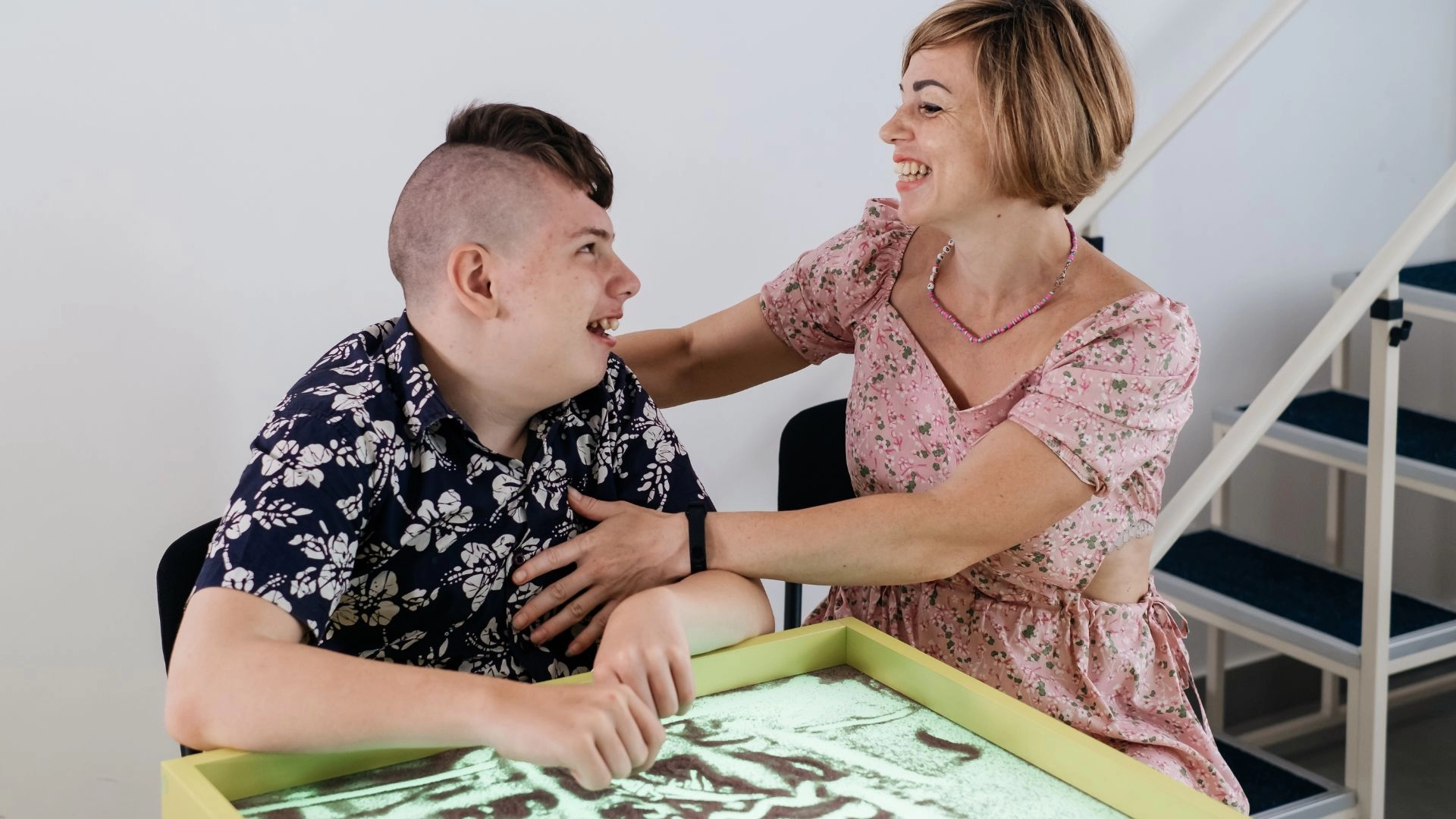
In Mississauga, our child counseling therapy offers compassionate support for children with Sensory Processing Disorder. We provide a tailored approach to meet each child’s unique sensory needs using strategies like play therapy, mindfulness, and family involvement. This creates a safe environment that fosters emotional regulation and resilience, empowering children to navigate sensory experiences comfortably. Explore how our services can make a difference in your child's life.

In Mississauga, our specialized child counseling therapy for Autism Spectrum Disorder (ASD) nurtures emotional and social growth. Experienced therapists tailor support to each child's unique needs using methods like play and art therapy to foster self-expression and emotional awareness. We emphasize early intervention to enhance outcomes for children with ASD, helping them celebrate strengths and build essential skills. Explore the valuable resources and insights we offer to support your child.

In Mississauga, our child counseling therapy for OCD provides vital support for children facing anxiety. We focus on empowering kids through methods like Cognitive Behavioral Therapy (CBT) and Exposure and Response Prevention (ERP) to help them process feelings and confront fears. Early intervention is crucial for emotional thriving, and integrating family support and art therapy can enhance their healing journey. Explore additional resources and support options available in our community.

In Mississauga, our child counseling therapy offers a safe, compassionate space for children exhibiting sexualized behavior. We help kids express their feelings and learn about healthy boundaries through play therapy and family involvement. Our goal is to support each child while addressing underlying issues, fostering resilience and emotional navigation. Explore helpful insights to support your child's healing process on this journey.

In Mississauga, our child counseling therapy for bipolar disorder offers essential emotional support and coping strategies tailored to each child's needs. Our dedicated therapists use play and art therapy to help children express their feelings, along with mindfulness practices for emotional regulation. We provide a holistic approach to mental health, guiding you and your child through this journey together. Explore more about the support we can offer.
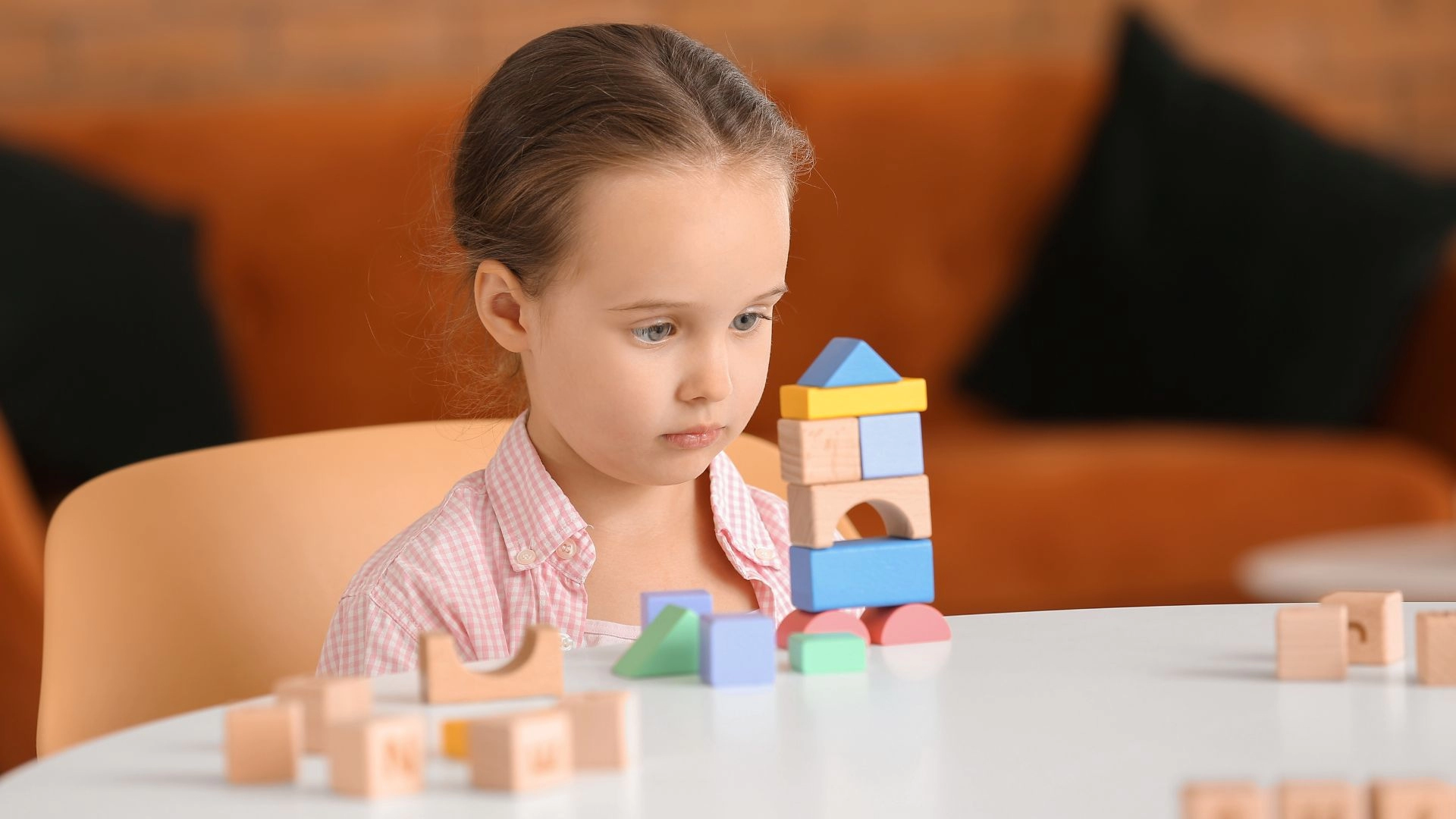
In Mississauga, our child counseling therapy for thought disorders provides a safe space for emotional growth. We help children manage symptoms like disorganized thinking and emotional regulation challenges through techniques such as cognitive-behavioral therapy and play therapy. Early intervention is essential for preventing further difficulties. If you seek insights into how therapy can make a difference, we’re here to offer helpful information and support for your child’s journey.

In Mississauga, our child counseling therapy for obesity provides vital support for children facing emotional and psychological challenges related to weight. We create a safe environment for expressing feelings and learning healthy coping strategies. Using techniques like Cognitive Behavioral Therapy and family dynamics, we tailor therapy to each child’s needs, fostering resilience and improving self-esteem for a healthier lifestyle. Explore additional resources to help children thrive on their journey to better health and well-being.

Mississauga is a vibrant city that offers a rich tapestry of cultural diversity, making it an ideal place for families seeking supportive community resources. As we navigate the complexities of childhood mental health, particularly regarding conditions like bipolar disorder, it’s crucial to recognize the value of our local environment.
In Mississauga, Ontario, we have access to a range of therapy services tailored to meet the unique needs of children and their families. Parent-child therapy can be especially beneficial, as it fosters communication and understanding, helping us address the challenges that may arise from family history or specific behavioral issues.
The community resources available here are designed to support families through counseling and educational programs, providing a safe space for children to express themselves and learn coping strategies. In our journey towards better mental health, we can lean on these services to facilitate healing and growth.