Depression in Children, Mississauga
We are passionate about helping children and adolescents navigate the complex emotions, challenges, and pressures they face during their formative years.
We recognize how challenging it can be when a child struggles with depression, and we’re here to help in Mississauga. Our compassionate Child Counseling Therapy creates a safe space for kids to express their feelings openly. We use effective methods like cognitive behavioral and play therapy, promoting resilience and healthy coping strategies. By involving parents, we aim to strengthen family communication and support. Together, we can guide children towards emotional healing and well-being. If you’re looking for insights on how to nurture your child’s mental health, there’s more helpful information we want to share with you.

About Child Counselling Therapy
Child counselling therapy is a compassionate approach that helps us understand and support our children as they navigate the complex emotions associated with depression. By engaging in child therapy, we create a safe space where our kids can express their feelings openly. This emotional support for children is critical, as it fosters resilience and promotes healthy coping mechanisms.
Child mental health services play an important role in identifying issues like child behavior disorders and childhood trauma. Through therapy for kids, we can address these concerns effectively. For instance, child depression therapy focuses on understanding the root causes of our children’s struggles, allowing us to tailor the intervention to their unique needs.
Furthermore, child anxiety treatment is often intertwined with depression, and recognizing this connection can enhance our approach. By ensuring our children receive thorough emotional support, we contribute to their overall emotional well-being. As we commence on this journey together, we’re not just helping our children cope; we’re also empowering them to thrive. Ultimately, child counselling therapy is an essential resource for families seeking to nurture their children’s mental health and build a brighter future.

Understanding Depression in Children
Understanding depression in young ones can be challenging, as their emotions may often seem overwhelming and difficult to articulate. We recognize that children experience a unique blend of anxiety and sadness that can greatly impact their emotional development. It’s vital to acknowledge that depression in children is not just a phase; it can affect their overall child mental wellness.
When we engage in child counseling therapy, we focus on creating a safe space for them to express their feelings. Through effective child therapy techniques, we can help them navigate their emotions and develop coping strategies. We’ve found that addressing anxiety in children often goes hand in hand with treating depression, as both can manifest in similar ways.
Our approach includes child behavior modification, allowing us to guide children toward healthier emotional responses. Psychological therapy for children can incorporate various methods, such as play therapy and art therapy, which promote emotional healing for children in a relatable manner. By prioritizing their mental health through child psychotherapy, we can support their journey towards emotional resilience and well-being, ensuring they feel heard, understood, and empowered.
Cognitive Behavioral Therapy (CBT) for Treating Child Depression
Recognizing the emotional complexities children face, Cognitive Behavioral Therapy (CBT) offers a structured approach to help them manage and overcome the symptoms of depression. In our child therapy sessions, we work closely with a child therapist to identify negative thought patterns and feelings that contribute to depressive disorders. This therapy for children focuses on building coping strategies, enhancing emotional regulation in children, and fostering resilience.
While CBT is widely recognized for its effectiveness in addressing depressive disorders, it’s also beneficial for therapy for kids with anxiety. We encourage parents to engage actively in the process, providing parenting support that reinforces the skills learned in therapy. By developing a supportive environment at home, we can help strengthen the positive changes initiated during therapy.
Through cognitive behavioral therapy, we empower our children to challenge their negative thoughts and replace them with healthier perspectives. With time and practice, kids can learn to manage their emotions more effectively, ultimately improving their mental health. As we journey together in this process, we remain committed to nurturing their growth and well-being, ensuring they have the tools they need to thrive in life.

Utilizing Play Therapy to Address Depression in Children
Play therapy offers a unique and engaging way for children to express their feelings and navigate the complexities of depression through the natural language of play. This method allows us to observe how children interact with toys and games, revealing their emotional struggles and childhood emotional issues. By incorporating child therapy activities, we can create a safe environment where kids feel comfortable exploring their feelings.
In our practice, we find that play therapy serves as an effective therapeutic intervention for children facing depression. It provides support for children, helping them articulate their emotions in ways that traditional talk therapy might not. Through various play therapy techniques, we can also integrate elements of cognitive-behavioral therapy and behavioral therapy for kids, emphasizing positive coping strategies.
As we witness the healing power of play, we recognize that it’s not just about having fun; it’s a crucial part of their healing journey. For those of us working with therapy for troubled youth, it’s important to remember that these interventions help children find their voice, fostering resilience and emotional well-being. Together, we can make a significant difference in addressing depression in children.
The Role of Family Therapy in Childhood Depression Treatment
While play therapy provides an essential space for individual expression, incorporating family therapy can greatly enhance the treatment of childhood depression by fostering a supportive home environment that encourages open communication and emotional healing. Family therapy allows us to address the dynamics within the household, ensuring that everyone is involved in the child’s healing journey.
Through child and family counseling, we can identify patterns that contribute to a child’s emotional struggles and work together to promote understanding and empathy. This collaborative approach not only aids in child counseling therapy but also strengthens family bonds, which is crucial for child resilience therapy. For adolescents, engaging in family therapy can be particularly impactful, as it helps them navigate their unique challenges with the support of loved ones.
Additionally, family therapy is beneficial for therapy for special needs children and can even include elements of grief counseling for children, should that be relevant. By prioritizing mental health awareness and providing emotional support within the family unit, we can create an environment that nurtures growth and healing, ultimately leading to healthier, happier children.
Enhancing Emotional Expression in Depressed Children with Art Therapy
Art therapy offers a powerful avenue for children to express their emotions, allowing them to communicate feelings that might be difficult to articulate with words. Through our child counseling services, we’ve seen how art therapy for kids can break through barriers of emotional numbness and help them explore their inner worlds. It’s a supportive space where children can safely express themselves, which is essential for effective child development.
When children engage in art, they can process feelings related to behavioral disorders in children or even trauma from therapy for child abuse. This creative outlet not only fosters emotional expression but also promotes mental health by providing a sense of accomplishment and control. As they create, they learn stress management for children, allowing them to cope with overwhelming emotions.
In our practice, we emphasize child-focused therapy that values each child’s unique perspective. By incorporating art into counseling sessions, we empower children to voice their struggles and triumphs, paving the way for healing. Together, we can help them navigate their feelings and build resilience, ultimately fostering a brighter future.
Managing Both Anxiety and Depression in Young Children
Steering through the complexities of both anxiety and depression in young children requires a compassionate approach that builds on the emotional expression fostered through creative outlets like art therapy. In our experience, integrating child counseling therapy with child behavioral therapy can be incredibly effective. We often find that employing cognitive therapy for kids helps them understand their feelings and develop coping strategies.
When faced with anxiety, children may experience panic attacks, leading to increased emotional distress. By participating in child and adolescent counseling, we can create a safe space for them to explore their emotions. Support groups also play an essential role, allowing kids to connect with peers who share similar struggles, fostering a sense of belonging.
For those who may also be dealing with attention deficits, therapy for ADHD in children can be tailored to address overlapping symptoms of anxiety and depression. Through consistent mental health counseling, we guide families in establishing routines that promote emotional stability. Ultimately, our goal is to empower young children, equipping them with tools to manage their feelings and thrive in their everyday lives. Together, we can make a significant difference in their mental health journey.
School Counseling Support for Kids Dealing with Depression
When children face the heavy weight of depression, having access to school counseling support can make a profound difference in their emotional well-being and academic success. School counseling provides a safe space where kids can express their feelings and concerns. Through child counseling therapy, we can help them navigate their mood disorders and develop effective coping strategies.
In these supportive therapy sessions, counselors often use therapeutic play, allowing children to process their emotions in a creative and engaging way. This approach not only alleviates the burden of depression but also strengthens adolescent mental health. Additionally, school counselors are trained to implement crisis intervention for children, ensuring that those in urgent need receive timely and appropriate support.
Applying Trauma-Informed Care to Childhood Depression
Applying trauma-informed care to childhood depression recognizes the profound impact that adverse experiences can have on a child’s emotional and psychological development. By using trauma-informed therapy, we can create a safe space where children feel understood and supported. This approach is vital in addressing the complexities of depressive disorders that often stem from past traumas.
In our child counseling therapy sessions, we emphasize early intervention therapy, which can greatly improve outcomes for children facing childhood depression. Play-based therapy is particularly effective, as it allows kids to express their feelings in a natural and engaging way. Through these creative outlets, we can better understand their emotional struggles and provide tailored support.
Family support therapy is also essential, as it helps create a supportive environment for children. We encourage open communication and involve parents in the healing process. Additionally, incorporating mindfulness for kids can foster resilience and coping strategies, making it easier for them to navigate their feelings.
Effective Adolescent Counseling Techniques for Depression
Effective counseling techniques for adolescents grappling with depression often involve creating a trusting environment where they feel safe to share their thoughts and emotions. We acknowledge that maneuvering through depressive disorders, including major depressive disorder, can be overwhelming. In our practice, we emphasize the importance of child counseling therapy tailored specifically for teens.
Cognitive behavioral therapy (CBT) plays a significant role in adolescent therapy, helping our clients identify negative thought patterns and replace them with healthier perspectives. By engaging in psychotherapy, we guide young individuals to explore their feelings while developing coping strategies.
In addition to these therapeutic approaches, we recognize that medication management can be essential for some adolescents. Together, we can discuss any necessary lifestyle changes, such as incorporating regular physical activity and mindfulness practices, which are crucial for stress management.
Group Therapy Options for Children Facing Depression
Group therapy can offer children struggling with depression a safe space to connect with peers who share similar experiences, fostering understanding and support. In these sessions, kids can express their feelings about clinical depression, low mood, and even suicidal thoughts in a non-judgmental environment. We find that group therapy for kids allows them to realize they’re not alone in their mental illness journey, which can be immensely validating.
Child therapy programs often incorporate child-centered therapy techniques that focus on individual needs while promoting group cohesion. Engaging in trauma therapy for children can also help them process shared experiences and build resilience together. Additionally, parent-child therapy can be integrated to enhance communication and understanding within families.
Through child social skills therapy in a group setting, children learn to interact and empathize with others, building essential social skills. Together, we can create a supportive network where children not only navigate their feelings but also learn coping strategies from one another. This collaborative approach can considerably bolster their healing journey, making them feel seen, heard, and supported every step of the way.
Strategies for Emotional Regulation in Children with Depression
Finding ways to help children manage their emotions can be a vital step in easing the burden of depression and fostering resilience. Through child counselling therapy, we can support children in developing essential emotional regulation skills. Techniques like mindfulness and deep breathing exercises can be effective in reducing stress and helping them navigate overwhelming feelings related to their depressive disorder.
Parent-child therapy can also play a significant role. It allows us to strengthen the bond while teaching children how to express their emotions healthily. Engaging in activities that promote self-care, like art or physical exercise, empowers children to channel their feelings constructively.
Additionally, we shouldn’t overlook the importance of a thorough psychiatric evaluation. Understanding a child’s unique challenges, including any past trauma or signs of cognitive decline, helps tailor our approach to their needs. By creating a safe space where children feel heard and validated, we can help them build resilience and better cope with their emotions. Together, we can equip our children with the tools they need to navigate their mental health journey, paving the way for a brighter future.
Guidance for Parents on Managing Child Depression
As parents, we often find ourselves searching for ways to support our children through the challenging landscape of depression, and understanding their unique experiences can be the first step in fostering healing. Many of us may notice signs like sadness, anhedonia, or even concentration problems, which can indicate a depressive disorder. It’s essential to approach these feelings with empathy and patience.
Engaging in parent-child therapy can help us create an open dialogue, allowing our children to express their thoughts and emotions without fear of judgment. We should encourage them to share their feelings of hopelessness, helping them feel less isolated in their struggles. Child counselling therapy can provide our children with coping mechanisms, such as mindfulness and relaxation techniques, which can be invaluable in managing their symptoms.
Additionally, we can create a supportive environment at home by promoting healthy routines, ensuring our children feel safe and understood. By working alongside mental health professionals, we can better navigate this journey together, equipping ourselves and our children with the tools to face depression head-on and ultimately foster resilience. Together, we can help our children find hope and healing.
Integrating Mindfulness and Relaxation Practices in Child Therapy
Incorporating mindfulness and relaxation practices into child therapy can greatly enhance our children’s ability to cope with the stresses of depression, fostering a sense of calm and emotional resilience. By integrating these approaches into early childhood therapy and parent-child therapy, we can help our kids develop healthier coping mechanisms for managing depressive disorder.
Mindfulness techniques, such as deep breathing and guided imagery, can positively influence brain chemistry by increasing serotonin and dopamine levels, which are vital for mood regulation. As we encourage regular mindfulness practice, we may notice improvements in our children’s ability to focus and interact positively with others.
Furthermore, relaxation practices, such as yoga and meditation, can serve as effective tools to reduce anxiety and promote emotional balance. It is important to complement these practices with proper nutrition and exercise, as they also play significant roles in our children’s overall mental health.
Together, we can create a supportive environment that nurtures mindfulness and relaxation, empowering our children to navigate their feelings and develop skills that will serve them well throughout their lives. By embracing these practices, we can help our children flourish in the face of challenges.
Connect with Our Child Counseling Therapy Center for Depression Support in Mississauga
Connecting with our Child Counseling Therapy Center in Mississauga can be a vital step in providing the support your child needs to overcome depression. We acknowledge how challenging it can be for both children and parents dealing with issues like social withdrawal and the stigma surrounding mental health. Our team is dedicated to creating a safe and nurturing environment where your child can express their feelings through various methods, including talk therapy and cognitive behavioral therapy.
At our Child Counselling Therapy Center in Mississauga, we provide personalized therapy designed to foster resilience and develop effective coping strategies for your child. Our approach prioritizes creating a supportive environment where each child feels heard and valued. We also focus on parent-child therapy to enhance family communication and strengthen bonds. Accurate diagnosis is a cornerstone of our practice, ensuring that we tailor the most effective treatment options, including psychotherapy, to meet your child’s specific needs. We’re here to support your family every step of the way in navigating these challenges.
Frequently Asked Questions
What Are the Signs That My Child Needs Counseling for Depression?
When we think about the signs that a child might need counseling for depression, we can look for changes in mood and behavior. If they’re becoming more withdrawn, losing interest in activities they once enjoyed, or showing significant changes in sleep or appetite, those can be red flags. We should also pay attention to any expressions of hopelessness or anxiety. It’s important to trust our instincts and seek help when we feel concerned.
How Long Does Child Counseling for Depression Typically Last?
When we think about how long counseling might last, it often varies based on each child’s unique needs. Typically, we might expect to see sessions ranging from a few weeks to several months. It’s important to remember that progress isn’t always linear, and we should be patient with ourselves throughout this process. Together, we can support our child’s journey, focusing on their healing and growth, no matter how long it takes.
What Qualifications Should I Look for in a Child Counselor?
When we’re searching for a child counselor, we should look for qualifications that really matter. It’s essential they have a degree in psychology or counseling and specialized training in child therapy. We also want someone with experience in dealing with children’s emotional issues. Additionally, it helps if they’re licensed and have a warm, approachable demeanor. Trusting our instincts about their connection with our child is equally important, as rapport can make a big difference.
Can Child Counseling Be Done Online or In-Person?
We acknowledge that choosing between online and in-person counseling can be a tough decision. Both options have their benefits. Online sessions offer convenience and comfort, while in-person meetings foster a personal connection. It’s important for us to reflect on what feels right for our situation. Ultimately, the goal is to create a safe space for communication and healing, regardless of the format we choose. We’re here to support each other through this journey.
How Can I Support My Child Between Counseling Sessions?
Supporting our child between counseling sessions is essential. We can create a safe space for them to express their feelings and encourage open conversations. Let’s engage in activities they enjoy together, as it can strengthen our bond. Practicing coping strategies learned in therapy can also be helpful. Additionally, we should check in regularly, reminding them that it’s okay to seek help and that we’re always here for them, no matter what.
Our Counselling Services

Anxiety
Child counseling therapy for anxiety in Mississauga provides essential support for children facing emotional challenges. Early intervention, through methods like cognitive-behavioral therapy and play therapy, equips kids with coping strategies and a safe space for expression. Family counseling enhances communication and support, empowering children to confront their fears and fostering their overall well-being.

Trauma
Child counseling therapy in Mississauga offers vital support for children coping with trauma. Our licensed counselors provide a safe space for emotional expression and use tailored approaches like play-based therapy and anxiety management techniques. Family therapy sessions promote open communication and collaborative healing, helping children regain control over their lives. We’re here to guide families through this journey, with many support options available to explore.

Grief
Child counseling therapy in Mississauga provides essential support for children coping with grief. Our compassionate approach offers a safe space for emotional expression and teaches coping strategies through methods like play therapy and cognitive-behavioral techniques. By addressing grief and underlying trauma, we empower children to understand their experiences without judgment. Explore our tailored support options to promote healing on this journey together.

Depression
In Mississauga, our compassionate child counseling therapy supports children struggling with depression. We create a safe space for kids to express their feelings, using effective methods like cognitive-behavioral and play therapy to promote resilience and healthy coping strategies. Involving parents strengthens family communication and support, guiding children towards emotional healing and well-being. Explore our insights on nurturing your child's mental health.

Eating Disorder
In Mississauga, our child counseling therapy for eating disorders offers vital support for families seeking healing. Our experienced therapists foster a compassionate environment for children to express their emotions and tackle challenges. By emphasizing family dynamics and open communication, we promote resilience using tailored approaches like Cognitive-Behavioral Therapy and Family Systems Therapy. Together, we empower families towards recovery, with more insights available on the process.

Abuse
In Mississauga, our child counseling therapy provides essential support for children affected by abuse. Our compassionate approach helps young survivors heal and build resilience using trauma-informed techniques like play therapy and cognitive-behavioral therapy in a safe environment. We involve families to ensure a supportive network, emphasizing early intervention to address trauma and enhance emotional well-being. We're here to guide you on this journey, with much more to explore beyond these initial steps.

Anger Management
In Mississauga, our child counseling therapy for anger management provides essential support for kids facing emotional challenges. We create a safe space for children to express their feelings and learn coping strategies, tailoring our methods like cognitive-behavioral and play therapy to each child’s needs. This helps kids understand their anger and develop healthier responses. Explore the various options we offer to foster emotional growth and resilience.

Life Coaching
In Mississauga, our combined approach of child counseling therapy and life coaching creates a nurturing environment for children. This method helps them express feelings and develop essential life skills through play therapy, while life coaching focuses on goal setting and resilience. Together, they empower kids to manage anxiety and boost self-esteem, benefiting those with special needs. Our holistic support aims for healthier, happier futures for children. Explore more insightful details about this transformative process.

Stress
In Mississauga, child counseling therapy provides a supportive space for children to manage stress and cope with overwhelming emotions. Using methods like Cognitive Behavioral Therapy, Play Therapy, and mindfulness techniques, our therapists equip kids with tools for emotional regulation and resilience. This empowers them to face challenges such as school anxiety and family issues confidently. Explore more about how these therapies positively impact children's lives and nurture a brighter future.

Addiction
In Mississauga, our child counseling therapy for addiction offers a compassionate and safe space for children to express their feelings. Using evidence-based methods like Cognitive Behavioral Therapy and play therapy, we help kids cope with emotions and build resilience. We focus on fostering emotional well-being while addressing underlying behavioral challenges, empowering children and families with tools for recovery. Explore more about how we can support your family on this journey.

ADHD
In Mississauga, child counseling therapy offers a compassionate space for children with ADHD and their families. We provide tailored coping mechanisms through methods like cognitive-behavioral therapy and play therapy, helping kids modify negative behaviors and build emotional regulation skills. Our supportive environment empowers both children and parents, strengthening relationships and enhancing understanding of ADHD. Explore more about how these therapies can support your child’s journey.
Sensory Processing Disorder
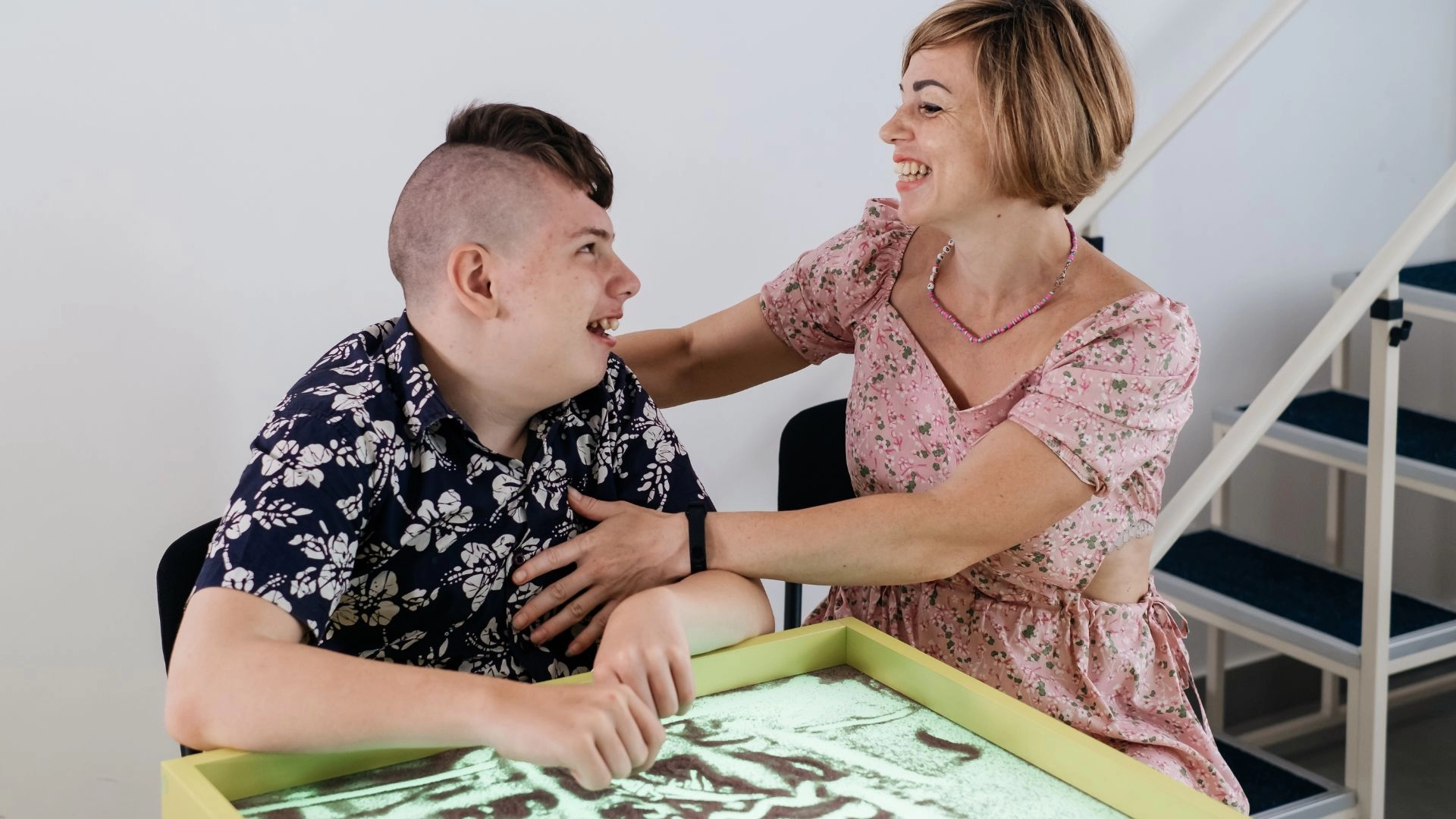
In Mississauga, our child counseling therapy offers compassionate support for children with Sensory Processing Disorder. We provide a tailored approach to meet each child’s unique sensory needs using strategies like play therapy, mindfulness, and family involvement. This creates a safe environment that fosters emotional regulation and resilience, empowering children to navigate sensory experiences comfortably. Explore how our services can make a difference in your child's life.

ASD
In Mississauga, our specialized child counseling therapy for Autism Spectrum Disorder (ASD) nurtures emotional and social growth. Experienced therapists tailor support to each child's unique needs using methods like play and art therapy to foster self-expression and emotional awareness. We emphasize early intervention to enhance outcomes for children with ASD, helping them celebrate strengths and build essential skills. Explore the valuable resources and insights we offer to support your child.

OCD
In Mississauga, our child counseling therapy for OCD provides vital support for children facing anxiety. We focus on empowering kids through methods like Cognitive Behavioral Therapy (CBT) and Exposure and Response Prevention (ERP) to help them process feelings and confront fears. Early intervention is crucial for emotional thriving, and integrating family support and art therapy can enhance their healing journey. Explore additional resources and support options available in our community.

Sexualized Behavior
In Mississauga, our child counseling therapy offers a safe, compassionate space for children exhibiting sexualized behavior. We help kids express their feelings and learn about healthy boundaries through play therapy and family involvement. Our goal is to support each child while addressing underlying issues, fostering resilience and emotional navigation. Explore helpful insights to support your child's healing process on this journey.

Bipolar Disorder
In Mississauga, our child counseling therapy for bipolar disorder offers essential emotional support and coping strategies tailored to each child's needs. Our dedicated therapists use play and art therapy to help children express their feelings, along with mindfulness practices for emotional regulation. We provide a holistic approach to mental health, guiding you and your child through this journey together. Explore more about the support we can offer.
Thought Disorder
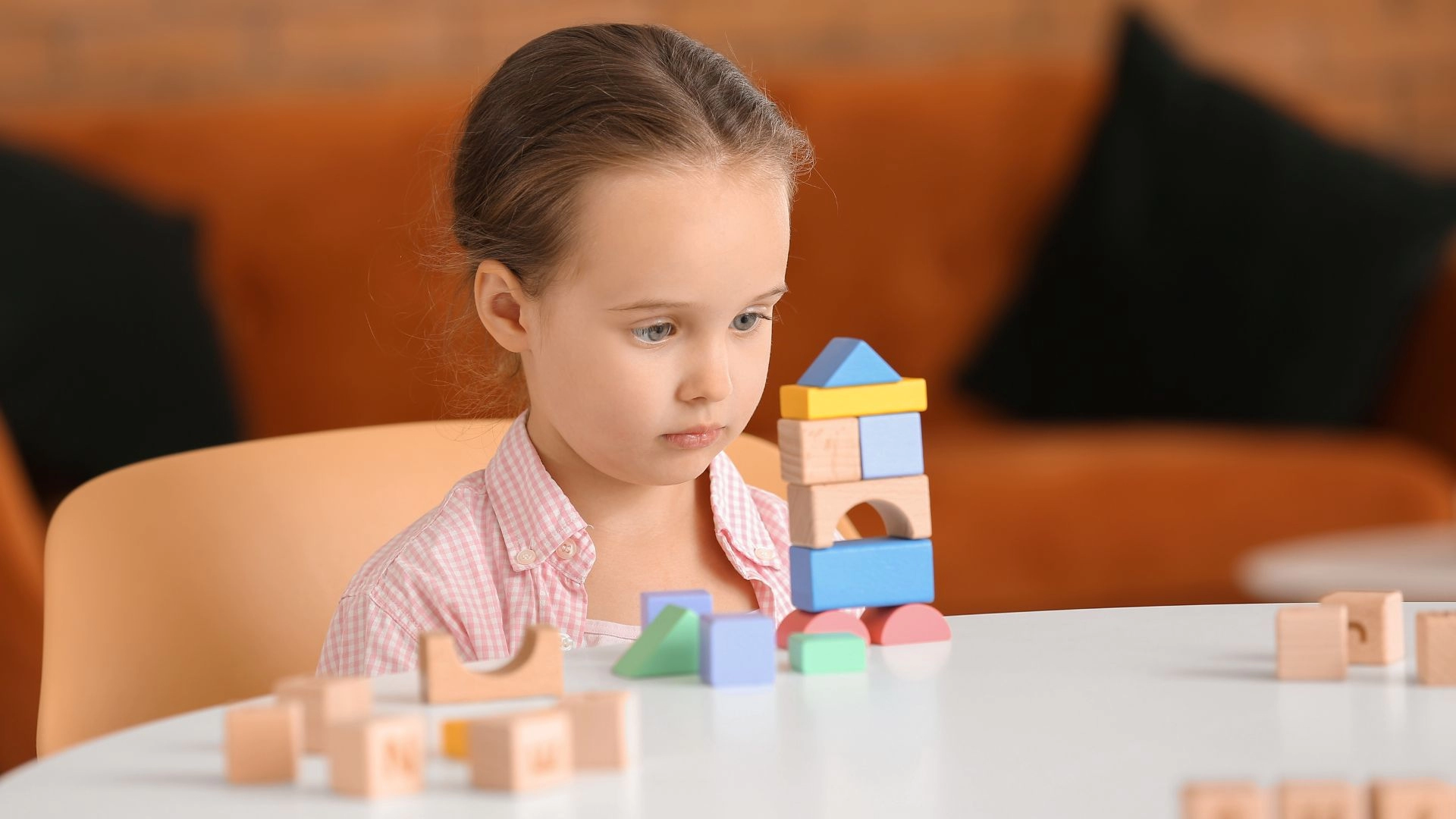
In Mississauga, our child counseling therapy for thought disorders provides a safe space for emotional growth. We help children manage symptoms like disorganized thinking and emotional regulation challenges through techniques such as cognitive-behavioral therapy and play therapy. Early intervention is essential for preventing further difficulties. If you seek insights into how therapy can make a difference, we’re here to offer helpful information and support for your child’s journey.

Obesity
In Mississauga, our child counseling therapy for obesity provides vital support for children facing emotional and psychological challenges related to weight. We create a safe environment for expressing feelings and learning healthy coping strategies. Using techniques like Cognitive Behavioral Therapy and family dynamics, we tailor therapy to each child’s needs, fostering resilience and improving self-esteem for a healthier lifestyle. Explore additional resources to help children thrive on their journey to better health and well-being.

About City of Mississauga
Mississauga is a vibrant city that offers a rich tapestry of cultural diversity, making it an ideal place for families seeking supportive community resources. As we navigate the complexities of childhood mental health, particularly regarding conditions like bipolar disorder, it’s crucial to recognize the value of our local environment.
In Mississauga, Ontario, we have access to a range of therapy services tailored to meet the unique needs of children and their families. Parent-child therapy can be especially beneficial, as it fosters communication and understanding, helping us address the challenges that may arise from family history or specific behavioral issues.
The community resources available here are designed to support families through counseling and educational programs, providing a safe space for children to express themselves and learn coping strategies. In our journey towards better mental health, we can lean on these services to facilitate healing and growth.

- Port Credit
- Streetsville
- East Credit
- Malton
- Mineola
- Lisgar
- Applewood Hills
- Lorne Park
- Meadowvale
- Clarkson
- Cooksville
- Rockwood Village
- Meadowvale West
- Churchill Meadows
- Erin Mills
- Erindale
- Lakeview
- Dixie
- Sheridan Park
- L5H
- L5W
- L5V
- L5T
- L5S
- L5R
- L5P
- L5N
- L5M
- L5L
- L5K
- L5J
- L4T
- L5G
- L5E
- L5C
- L5B
- L5A
- L4Z
- L4Y
- L4X
- L4W
- L4V